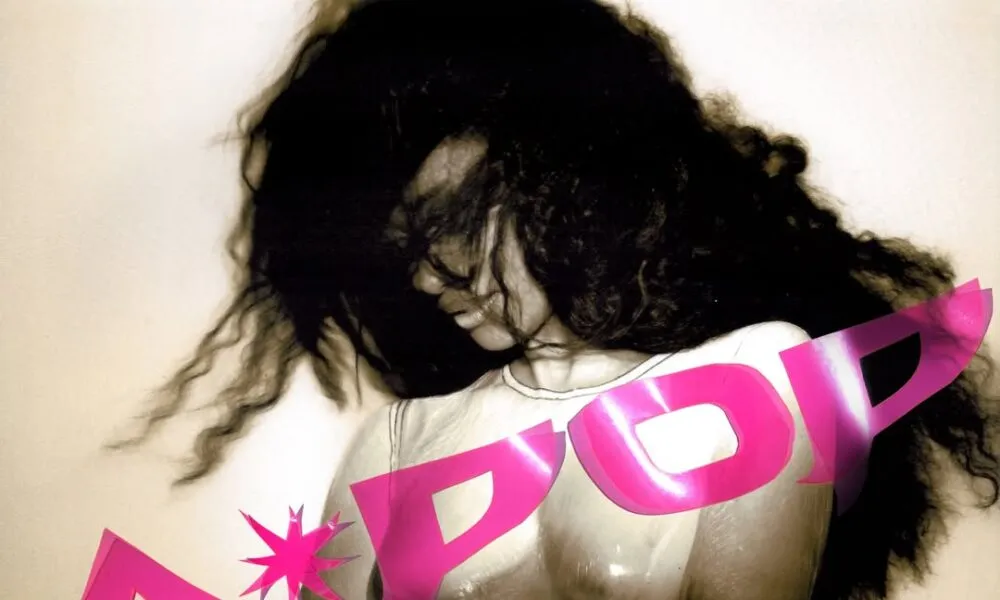
The asterisk in A*POP is doing heavy lifting.
Tyla announced her sophomore album drops July 24, 2026. Nineteen tracks. Full cinematic trailer. The kind of rollout that makes you screenshot and text your cousin in Jo'burg at 3 AM.
But here's the thing no one's saying yet: this isn't another pop album from an African artist trying to cross over. This is an African artist redefining what pop music is allowed to sound like. The asterisk isn't graphic design. It's a correction. This is pop. What you've been calling pop is incomplete.
What the trailer actually showed us
No iPhone footage. No lyric cards over stock visuals. Tyla went full cinema—the kind of production budget that says "I'm not asking for a seat. I'm redesigning the table."
Every frame carries weight. The aesthetic is specific: Amapiano's low-end thump meeting pop's clean melodic lines, but refusing to choose between them. That friction—between what the clubs in Pretoria want and what radio in London plays—is where the sound lives.
This comes after back-to-back Grammys that had the diaspora doing victory laps. We stayed up for those telecasts. We texted the group chat when her name got called. We knew what it meant.
Now she's back with nineteen tracks. In an era of seven-song EPs and TikTok singles, nineteen is a statement. It says: I have something to say, and it takes this long to say it properly.
Why this lands different for us
When you're scrolling in London, Toronto, or Brooklyn and Tyla's face shows up, it feels personal. Not celebrity-worship personal. Recognition personal.
She moves like someone who grew up watching the same TV shows we did. She codes-witches the same way we do—Xhosa in one sentence, English in the next, Amapiano piano riffs underneath both. The diaspora doesn't have to translate her. We just get it.
For years, African artists had to choose: stay authentic and stay regional, or sand down the edges and maybe go global. Tyla looked at that binary and said no. "Water" was a global anthem that sounded like a Pretoria house party. No concessions. No explanations.
A*POP as a title does the same work. It says: pop music was always ours. We just hadn't claimed it yet.
What nineteen tracks means
This isn't playlist bait. This is an album—the kind that asks for your attention in sequence, start to finish.
In 2026, when attention spans are measured in seconds and artists drop singles every two weeks to stay relevant, Tyla is building a statement. She's taking her time. She's showing range.
That confidence comes from knowing the sound works. "Water" proved it. The Grammys confirmed it. Now she gets to build the architecture around it.
For diaspora kids especially—the ones who grew up explaining their music to friends who didn't get it—this matters. Our playlists are suddenly the reference point. Tyla made African pop undeniable, and now everyone else has to catch up.
The door she's walking through
The Grammys weren't just personal wins. They were structural shifts. Doors that had been locked for decades swung open. Tyla gets to walk through them on her own terms now.
She's doing for Amapiano-pop fusion what Burna, Wizkid, and Davido did for Afrobeats: creating a lane that didn't exist, then proving it was the fastest one. While everyone debates Afrobeats' next move, Tyla's building something parallel. Same energy. Different frequency.
For young African girls watching from anywhere in the world, she's proof that you don't have to choose. Heritage and ambition aren't in competition. You can sound like home and headline festivals in Europe. Both. At once.
What July 24 actually is
This isn't an album drop. It's a cultural checkpoint.
The cinematic trailer signals what's coming: music videos that premiere in cinemas, performances that blur concert and art installation, collaborations that make sense but still surprise. Tyla's team understands that modern audiences want worlds, not just songs.
For those of us missing home, that transportation hits different. When her videos play, we're back. We're connected. We remember why we're loud about this.
The timing is perfect—summer 2026, festival season, everyone searching for the next sound. Tyla isn't competing for that spot. She's already there.
What this means for what comes next
Tyla didn't announce an album. She announced the blueprint.
This is what happens when African artists stop waiting for the industry to make space and just build the thing themselves. When the sound is confident enough to refuse compromise. When the diaspora recognizes itself in the music and claims it as ours.
A*POP drops July 24. Mark it. But also understand what you're marking: the moment we stopped asking if African pop could be global pop, and started showing everyone what global pop sounds like when we're the ones defining it.


