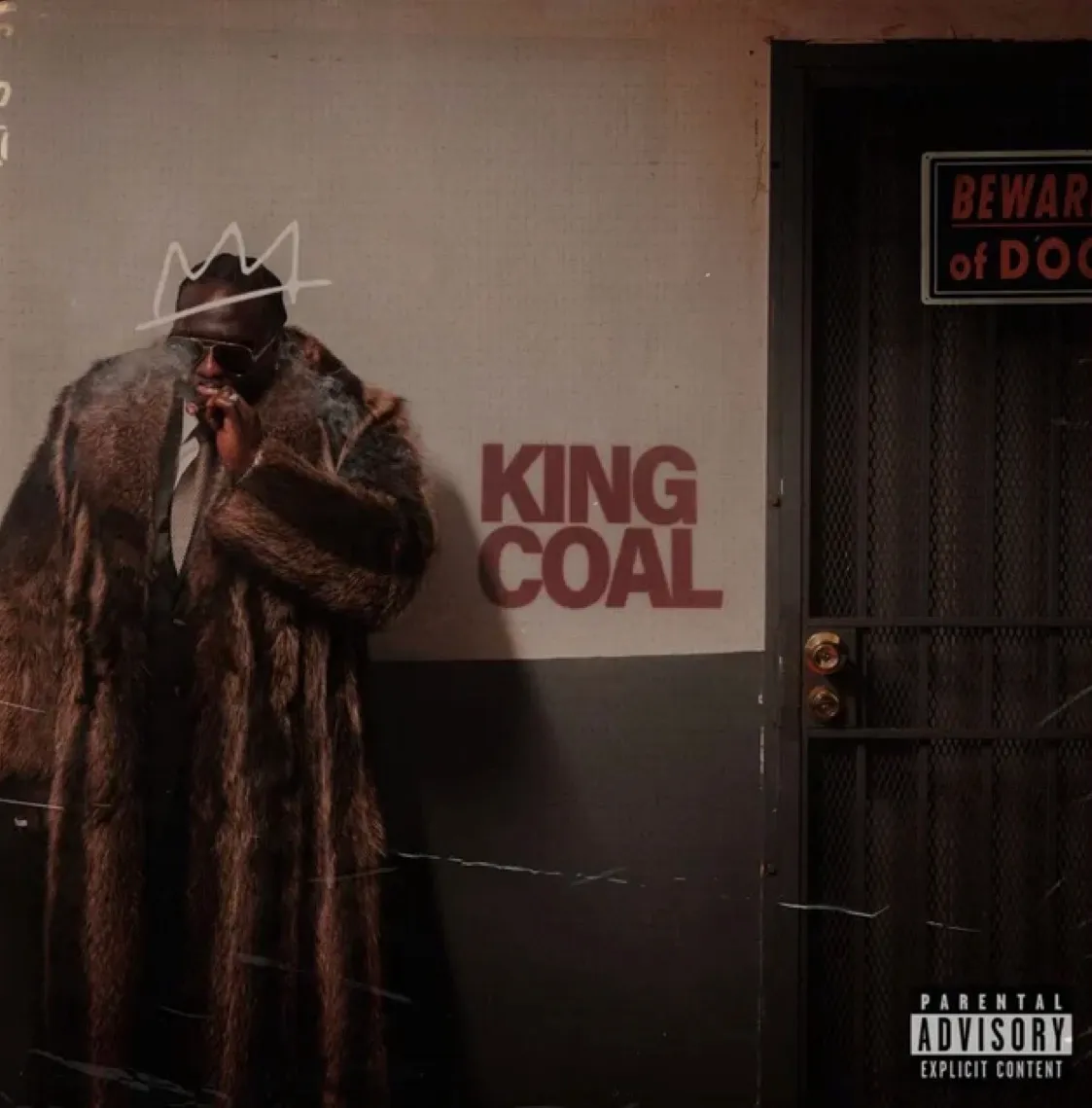
The song isn't asking you to come closer. It already knows you will.
Gbesunmo — Yoruba for "come closer" — and the title does the work before the beat drops. Wande Coal, Ruger, and BNXN didn't release a song this week. They released a proof of concept: that three artists from different corners of Lagos, different eras of the sound, and wildly different fan bases can occupy the same four minutes without a single awkward seam.
That's rarer than it sounds.
Three voices, one argument
Wande Coal opens it the way only someone with fifteen-plus years in the game can — smooth and deliberate, not performing confidence but simply possessing it. Bags ordered. Fendi on standby. Shoes already in transit. He's not begging. He's informing. The legend didn't show up to prove something. He showed up because this is what he does, and he still does it better than almost anyone.
Then Ruger steps in and the temperature shifts completely. "Come and see jugunu" — that reckless, particular energy that has made him one of the most distinctive voices in Nigerian pop right now. He drops a French bar mid-verse (comment allez-vous, en France aujourd'hui) that lands like he genuinely woke up in Paris that morning. Knowing Ruger, maybe he did. He moves between Yoruba, English, and pidgin without a breath between them. That's not code-switching. That's just how we actually talk — those of us who grew up holding two or three cultures in one body at the same time.
BNXN closes it. "Omo mami I like you die, but you say you no need no guy, why?" — simultaneously funny and genuinely exposed. That balance is difficult to pull off in a pop song. He makes it sound like breathing. Between the three of them, every angle of wanting someone gets covered: the showing off, the showing up, and the soft admission underneath both.
No verse sounds out of place. No one tried to outshine the room. Wande Coal's legend status didn't make him stiff. Ruger's chaos didn't swallow the song. BNXN didn't disappear into the arrangement. That kind of artistic respect is rare anywhere. In the Nigerian music industry, with egos the size of the Third Mainland Bridge, it is close to remarkable.
What Gbesunmo is actually carrying
Afrobeats doesn't just travel. It carries.
When you're on the Jubilee line heading to a job that has nothing to do with where you came from, a song like this drops in your ears and you are not in a grey tunnel anymore. You're somewhere warmer. Somewhere that knows you. "Ta lo n le'ju mo?" — who's going to be looking now? — is already a caption, a comeback, a whole posture. The group chats from Lagos to London to Toronto started cycling through the bars before the stream count hit six figures.
Wande Coal has understood this particular alchemy since Mushin 2 Mo'Hits. He watched trends build themselves up and collapse and stayed exactly himself across two decades. That's not stubbornness. That's the long game, played correctly. The production on Gbesunmo gives him the right architecture: Afrobeats backbone, enough bounce to move the room, polished enough for the big stages. He fits inside it without shrinking.
For those of us who watched this scene build itself from burnt CDs and Nokia ringtones to global streaming dominance — this collab lands differently. Not with sadness. With the specific weight of "look what we built."
The anatomy of a long-running hit
The internet is doing what the internet does — clipping every verse, arguing about who went hardest. (It's Ruger. It's always Ruger in arguments like this. That's a separate conversation.)
But Gbesunmo has the structural bones to outlast the discourse cycle. A hook you cannot shake. A title that becomes a phrase in daily conversation. Replay value that survives the algorithm's attention span. DJs from Peckham to Atlanta already know where it goes in the set.
Stream it. Play it loud. And if there's a Nigerian parent within earshot, watch them start nodding before the chorus arrives.
Some things are simply inevitable.
The culture took care of itself.
Three men from Lagos, three eras of the same sound, one irresistible word that now lives in our heads rent-free.
Gbesunmo is what happens when nobody asks permission.

