Amarula Bottled the Marula Tree. Now It's Pouring It Into Europe.
South Africa's most famous cream liqueur distilled its wild marula fruit into a gin and shipped it to London. The brand-intelligence question isn't whether it tastes good — it's whether a heritage African ingredient can travel as a premium global spirit without being repackaged as someone else's discovery.
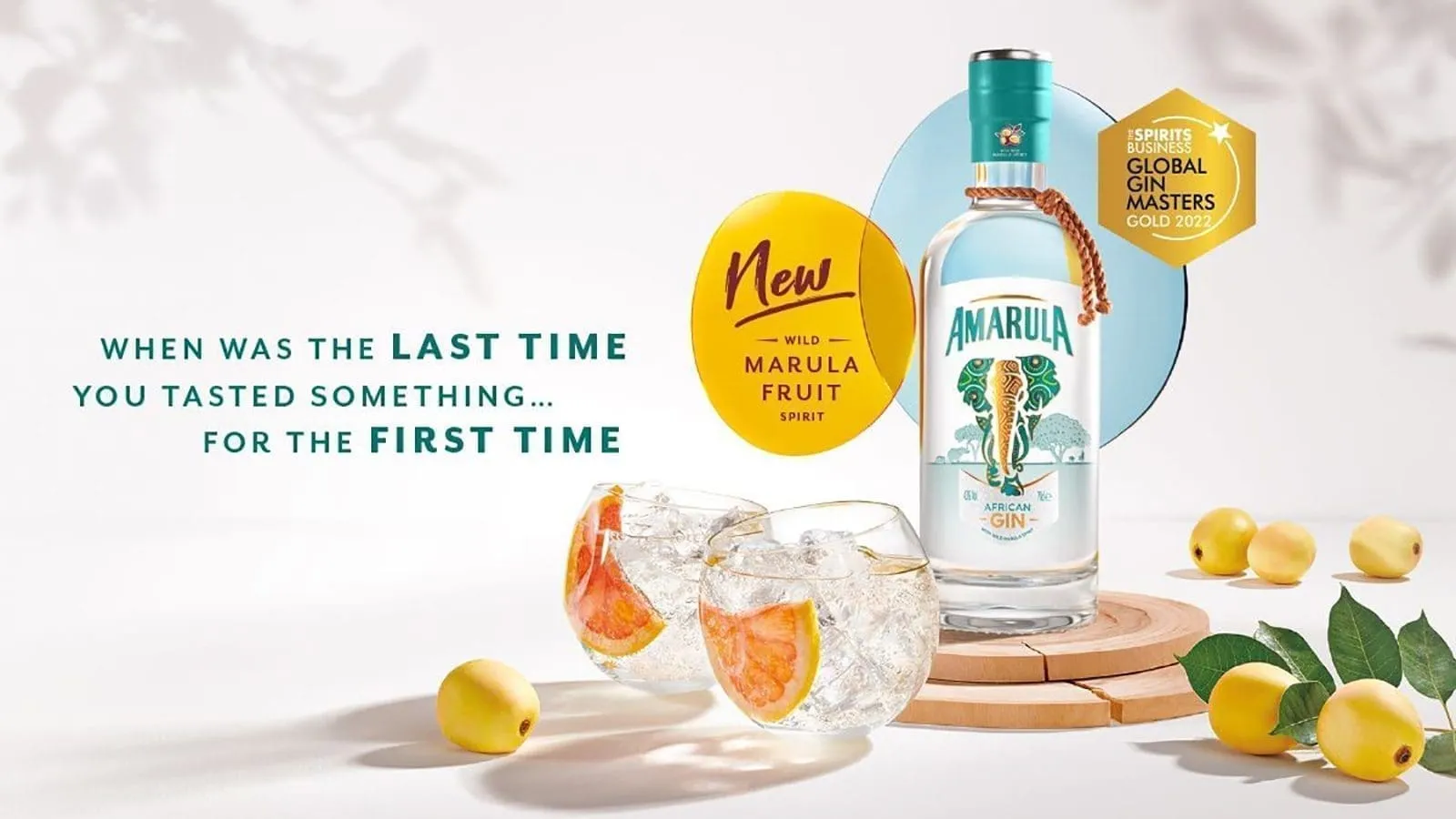
Amarula has spent three decades as the elephant on the label — a cream liqueur that read, to most of the world, as a souvenir. The African Gin changes the register. It is distilled from a spirit made of wild marula fruit, the same fruit that built the brand, but presented in the format the premium drinks world actually takes seriously: a clear, botanical, back-bar spirit, launched into Europe and the UK rather than the duty-free trolley.
The conservation hook — a contribution per litre to the Amarula Trust for elephant protection — is doing real work here. It ties the product to a place and a stake, not just a flavour note. That is the difference between an ingredient and a story.
Why the format matters
Moving from liqueur to gin is not a flavour decision; it is a positioning decision. Gin is where premium margin, cocktail culture and bartender credibility live. By entering it with an African botanical that no competitor can authentically replicate, Amarula is doing the one thing heritage brands usually fail to do — refusing to let the unique ingredient become a commodity input in someone else's bottle.
Get The Weekly Signal
The campaigns, culture and commercial intelligence shaping Africa and its diaspora.