Red Carpets Don't Validate Culture. Culture Validates Red Carpets.
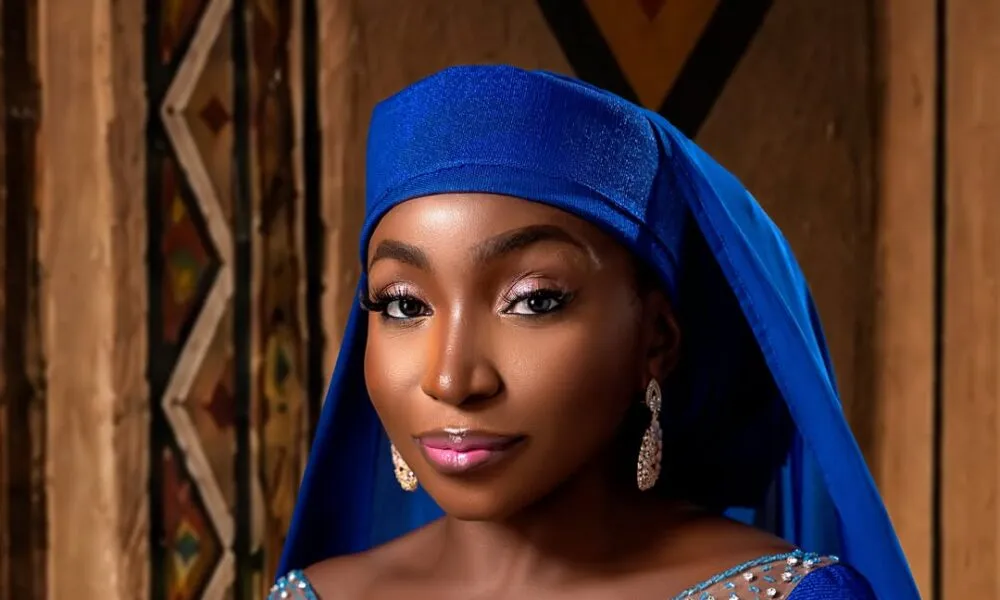
Omowunmi Dada stepped onto the Okanjuwa premiere carpet in Lagos wearing a royal blue column gown with a chiffon veil cape that moved like indigo smoke. The theme was "Eid-MetGala." The look was full Northern Nigerian royalty. And the group chats from Manchester to Brooklyn lit up within minutes.
This wasn't another Nollywood premiere where the aesthetic could belong to any city with a film industry. This was Hausa. This was Fulani. This was the kind of cultural specificity that makes diaspora kids screenshot and send to their mothers with the caption: See? This is what I've been trying to tell you.
The Look
Royal blue isn't just a color in Northern Nigeria. It's legacy.
It's the indigo dye that's been part of Hausa textile tradition for centuries—long before colonialism tried to redefine what elegance should look like. It's what an Emir wears when the occasion demands weight. Omowunmi took that gravity and made it cinema.
The gown itself: structured, column silhouette, clean lines that echo traditional Northern royal attire. No embellishment for embellishment's sake. Just precision. Then the chiffon veil cape—light enough for Lagos humidity, dramatic enough to make every photographer's job easy. It referenced the elaborate head wraps and veils that Northern Nigerian women have been styling for generations, but reimagined for a movie premiere in Africa's entertainment capital.
This is what happens when you don't code-switch your aesthetics to be taken seriously. You just show up in the thing itself.
Why This Lands Differently in the Diaspora
Nollywood has always been ours. While Hollywood was handing us sidekick roles, Nollywood was building an entire industry that centered us. But even within Nollywood, there's been a gravitational pull toward Western aesthetics for "prestige" events. Red carpets that could belong to London or Los Angeles.
Omowunmi's choice to go full Northern Nigerian royal for a major premiere is the kind of cultural confidence that makes those of us abroad sit taller. It's validation for every diaspora kid who's tried to explain to non-African friends why our traditional wear is just as formal as their ball gowns. Maybe more.
The "Eid-MetGala" theme itself is brilliant. It only makes sense in a place like Nigeria, where Muslim traditions and fashion-forward creativity exist in the same breath. For those of us who celebrate Eid while also tracking Met Gala coverage every May, this theme feels designed for us.
It's also worth noting: Omowunmi is primarily known for Yoruba-language films. Her decision to embrace Northern Nigerian aesthetics for this premiere is cross-cultural appreciation done right. Nigeria isn't a monolith. We're multiple cultures choosing to celebrate each other.
What This Does to the Next Generation of Red Carpets
Expect screenshots everywhere. Fashion bloggers are already breaking down every element. YouTube style breakdowns are loading. Someone's aunty in Dallas is calling her tailor right now with screenshots, asking for "something like this" for the next wedding.
Other actresses are watching. Other stylists are taking notes. The bar just shifted for what "themed" dressing can mean at Nigerian entertainment events. The Okanjuwa premiere became the blueprint before the film even dropped.
And when the film hits streaming platforms where we can actually access it, that red carpet moment becomes part of the story. We'll remember the royal blue before we press play.
The Last Line
Somewhere between Lagos and London, between tradition and innovation, between Eid and the Met Gala, there's space for us to be fully ourselves without translation.
Omowunmi Dada just walked that space in royal blue.
