Timini Egbuson Wore Coral Beads to a Movie Premiere. That's Not Fashion. That's Memory.
The "Ajosepo 2: The Gathering" premiere last night wasn't a red carpet event. It was an Owambe. Full stop.
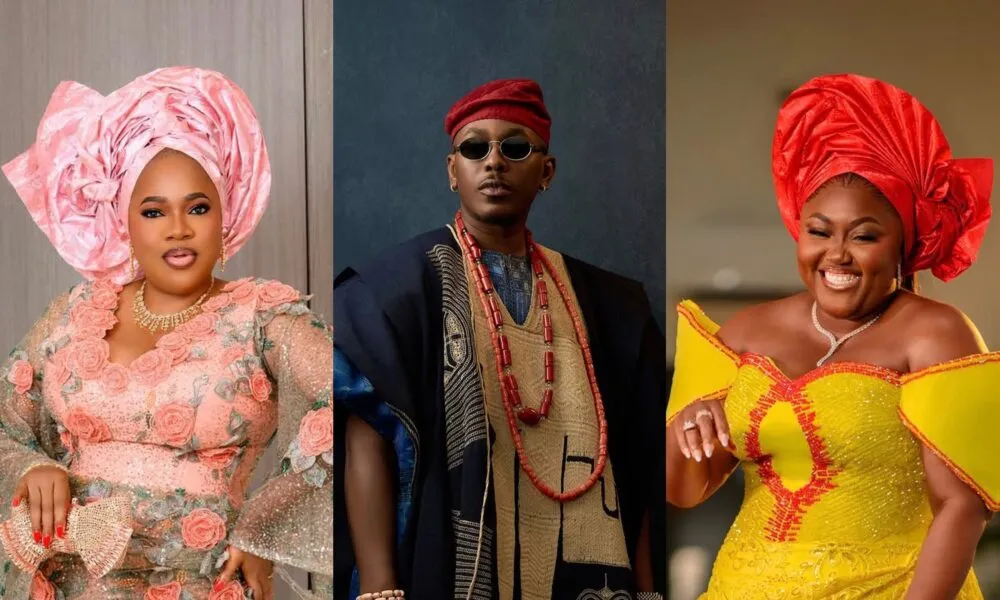
Timini Egbuson showed up in a structured agbada the color of deep water, red fila perched like a crown, rows of coral beads wrapping his neck and wrists the way your grandfather's did at your parents' wedding. He held an ìrùkẹ̀rẹ̀—the horsetail whisk that says I'm not just dressed, I'm initiated. Bolaji Ogunmola came through in cream aso-oke with purple rope embroidery so precise it looked like someone's grandmother blessed it. White gele tied like architecture.
This wasn't actors in costumes. This was Yoruba ceremony transplanted onto a premiere stage in Lagos, and everyone—cast, guests, the aunties in the back—understood the assignment on a spiritual level.
For those of us watching from Manchester flats or Brooklyn brownstones, it landed differently. Because we know what it feels like to miss the parties. Not London parties. Not "African-themed" parties. Owambe parties. The ones where your aunty's aso-ebi matches fifty other people and she still somehow stands out. Where the DJ plays Fuji at midnight and everyone knows the steps. Where jollof rice appears at 11 PM and nobody questions the timeline.
The Groom Didn't Wear a Tux. He Wore Tradition.
Timini plays Jide, the groom in the film. He could've gone the easy route—shiny fabrics, borrowed aesthetics, the kind of "African prince" look that plays well on Instagram but says nothing about home. He didn't.
He went deep. Rich blue agbada that probably cost more than your last three months of rent combined. Red coral beads—the kind that carry weight, history, bride price negotiations with your father-in-law. The fila wasn't decoration. It was punctuation.
And the ìrùkẹ̀rẹ̀? That's the detail that separates someone wearing culture from someone carrying it. If you grew up Yoruba, you know that whisk means something. It's not a prop. It's a statement: I know where I come from, and I'm not apologizing for bringing it here.
For diaspora kids raising children in Toronto who've never been to a proper Nigerian wedding, moments like this are reference material. This is what we show them when they ask what our weddings look like. Not stock photos. Not explainer videos. Timini Egbuson on a Thursday night in Lagos, dressed like he's about to negotiate your bride price and win.
Bolaji Brought Bridal Elegance Without Compromise
Bolaji Ogunmola plays Mary, the bride. Cream aso-oke with purple embroidery decorating the neckline and cuffs like someone's tailor actually cared. Wide sleeves—none of that uncomfortable tight-blouse energy. Overlapping skirt with purple accents at the hem. White gele sitting on her head like what it is: a crown.
If you've been to a Nigerian wedding, you know the moment. The bride walks in and the whole room stops. Conversations pause. Phones come out. Aunties start crying. That's the energy Bolaji gave. That's the standard.
This is what we mean when we say Nollywood is doing the work. No one had to explain why the gele mattered. No one had to subtitle the coral beads. The culture was the story, and the story trusted the audience to already know.
The Guests Showed Up Like It Was Their Own Wedding
Owambe Glam wasn't just a theme for the couple. The guests understood the memo and delivered accordingly.
Mercy Aigbe. Toyin Abraham. The whole cast and their plus-ones turned the premiere into a fashion exhibition of what happens when you give Nigerians a dress code and tell them to exceed expectations. Fabrics in every color spectrum. Geles tied in styles that took an hour and three YouTube tutorials. Custom traditional designs that made the venue feel less like a cinema and more like someone's actual reception at Eko Hotel.
This is what the BBC won't cover: Nollywood premieres that feel like weddings, where the red carpet is just the runway before the party, where everyone shows up like they're competing for best-dressed and everyone wins.
What This Reminds the Diaspora
Let's name what this is.
When you're living abroad, you miss the ceremonies. The parties where your aunty shows up in aso-ebi and somehow still stands out. The ones where Fuji music plays and everyone knows the dance steps without being taught. The ones where cultural memory lives in how people dress, not in how they explain themselves.
This premiere was that. A full ceremony, broadcast through Instagram stories and Twitter threads, reminding us what's still there. The culture isn't fading. It's not being diluted or archived. It's showing up on red carpets with full force, evolving without apologizing, thriving without permission.
For those of us raising kids in London who've never tied a gele or explaining to non-African friends what aso-oke even is, this matters. This is proof that our traditional wear isn't costume. It's fashion. It's cinema. It's worthy of premiere nights and front-page coverage.
The Film Itself: Family Drama With Full Cultural Weight
Directed by Kayode Kasum, "Ajosepo 2: The Gathering" picks up two years after the first film. Jide and Mary are finally getting married, which means the extended family must gather. You already know what that means.
Secrets surfacing. Relatives who haven't spoken in years forced to sit at the same table. The kind of family dynamics that make you laugh because if you don't laugh, you'll recognize your own family too clearly.
The cast—Timini Egbuson, Bolaji Ogunmola, Mike Afolarin, Tomike Adeoye, Toyin Abraham—are names that carry weight. These are actors who tell Nigerian stories without making them digestible for Western audiences. No explanations. No toned-down culture. Just the actual thing, said cleanly, with rhythm.
The film drops Thursday, May 28, 2026, in Nigerian theatres. This is the kind of film you text your family back home to watch and report. Or better: time your next Lagos trip right and catch it yourself.
This Is What Culture as Currency Looks Like
Here's what Nollywood has been doing while Hollywood stumbles through diversity panels: telling our stories our way. No subtitles that kill the joke. No explanations for foreign audiences. No choice between authentic and accessible. Just Yoruba weddings that are inherently dramatic enough to carry entire films.
The premiere looks are already circulating. Group chats are buzzing. People are planning their own Owambe Glam outfits for the next wedding season. That's the effect. That's the ripple.
From your flat in Manchester or your apartment in DC, it's easy to feel the distance. The accent fades. The Yoruba doesn't flow as easily. You catch yourself explaining Nigerian references to kids born abroad.
Then something like this premiere happens. Timini in coral beads. Bolaji in cream aso-oke. The whole cast dressed like they're attending the wedding of the decade. And you remember.
You remember that back home, people are still tying geles with precision. Still wearing coral beads with meaning. Still showing up to events with the kind of excellence that makes other cultures take notes.
The culture is alive. Not archived. Not explained. Not translated.
Just worn. Just celebrated. Just ours.
