The Room Where It Happens
This isn't a story about women breaking into Nollywood. It's a story about women who already own it — and who just decided to stop pretending the infrastructure around them was enough.
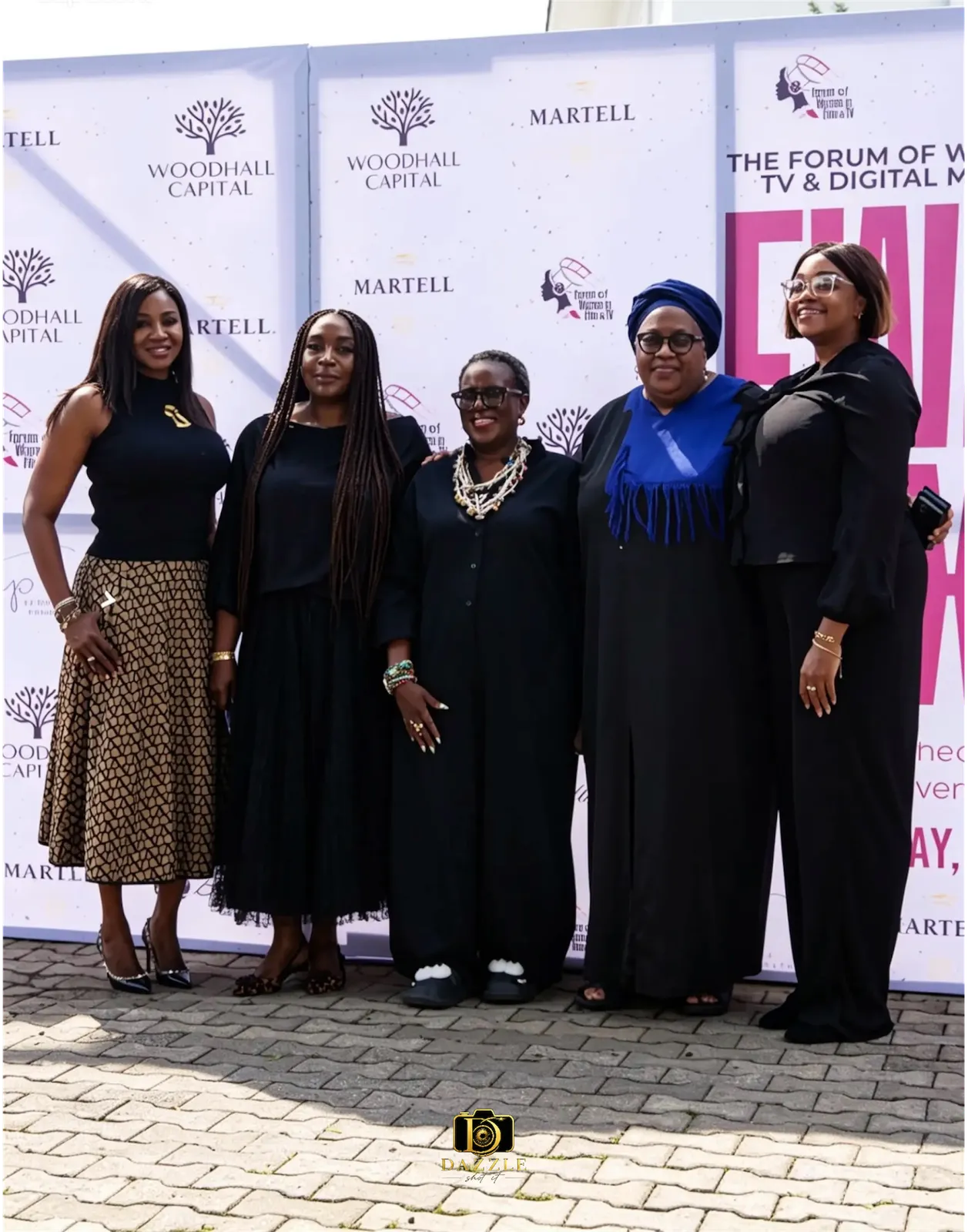
FWIFT Nigeria held a Mixer in Lagos last month. Filmmakers, producers, directors, writers, broadcasters, executives, casting agents, emerging talents — all of them women, all of them in one room, none of them there to be inspired. They were there to work.
That distinction matters.
What Actually Happened That Night
The Forum for Women in Film and Television Nigeria didn't design this event around a stage. No panel of moderators. No keynote. The architecture of the night was the point: move through the room, find your people, have the conversation you've been meaning to have for two years but kept not having because you were on set, in post, on a pitch, or managing the hundred other things that the industry asks of you before it asks how you're doing.
Guests compared notes on where Nigerian film and TV goes from here. Prospective members got the full picture on what FWIFT Nigeria is building and what joining actually looks like. And the conversations that started over drinks became, for some, the beginning of collaborations, mentorships, co-productions.
That's how industries move. One real conversation at a time.
FWIFT Nigeria made their position clear on the night — they're building infrastructure, not optics. Spaces where women connect, learn, and collectively shape who gets to lead. Not a statement for the press. A statement for the room. There's a difference.
Why the Diaspora Should Be Paying Attention
Nollywood is the world's second-largest film industry by volume. It's also the industry that gave us stories when mainstream media wasn't interested in telling them. The films your mum had on DVD that you pretended not to watch. The cultural reference that stretches from Peckham to Port Harcourt without needing a translator.
For a long time, the women who kept that industry alive — producing, directing, writing, casting, building — did it without the infrastructure their male counterparts often moved through without noticing. Less access to funding conversations. Fewer mentors in senior positions. Networking that happened in spaces they weren't always welcomed into.
FWIFT Nigeria exists to change that architecture.
For those of us building creative careers in London, Toronto, or Houston — writing Nigerian characters into UK dramas, directing documentaries about the Lagos underground, trying to bridge Nollywood and Hollywood in ways that actually respect both — this matters in a specific way. The industry runs on relationships. Who you know shapes what you can make. Which means deliberately creating spaces for women to build those relationships isn't a nice-to-have.
It's the foundation that future careers get built on.
When a filmmaker from Ibadan walks into a FWIFT Mixer and ends up in a two-hour conversation with a Lagos-based executive producer, that conversation can become a co-production. It can become the mentorship that changes the trajectory of a career. The diaspora understands this better than most, because we've spent years watching what happens when that network exists for some people and not for others.
Knowing FWIFT Nigeria is active, expanding, and building this web — knowing it stretches beyond Lagos — makes the work we're doing from abroad feel less like a solo project.
What They're Building From Here
The Mixer isn't a moment. It's part of a longer push: professional development programmes, mentorship initiatives, industry advocacy, and a growing membership that is becoming the connective tissue of women's leadership across Nigerian film and TV.
The goal is a creative community where women don't just survive the industry. They lead it.
If you're in the diaspora and you work in film, TV, or anything adjacent — follow FWIFT Nigeria. Watch the socials. Check the events calendar. And if you're back in Lagos when a Mixer lands, walk into that room.
No one in it is waiting for Hollywood to validate what they've already built. The women who kept Nollywood alive are now building the architecture around themselves — on their own terms, with their own community behind them.
The industry they deserve already exists. They're just making it official.

