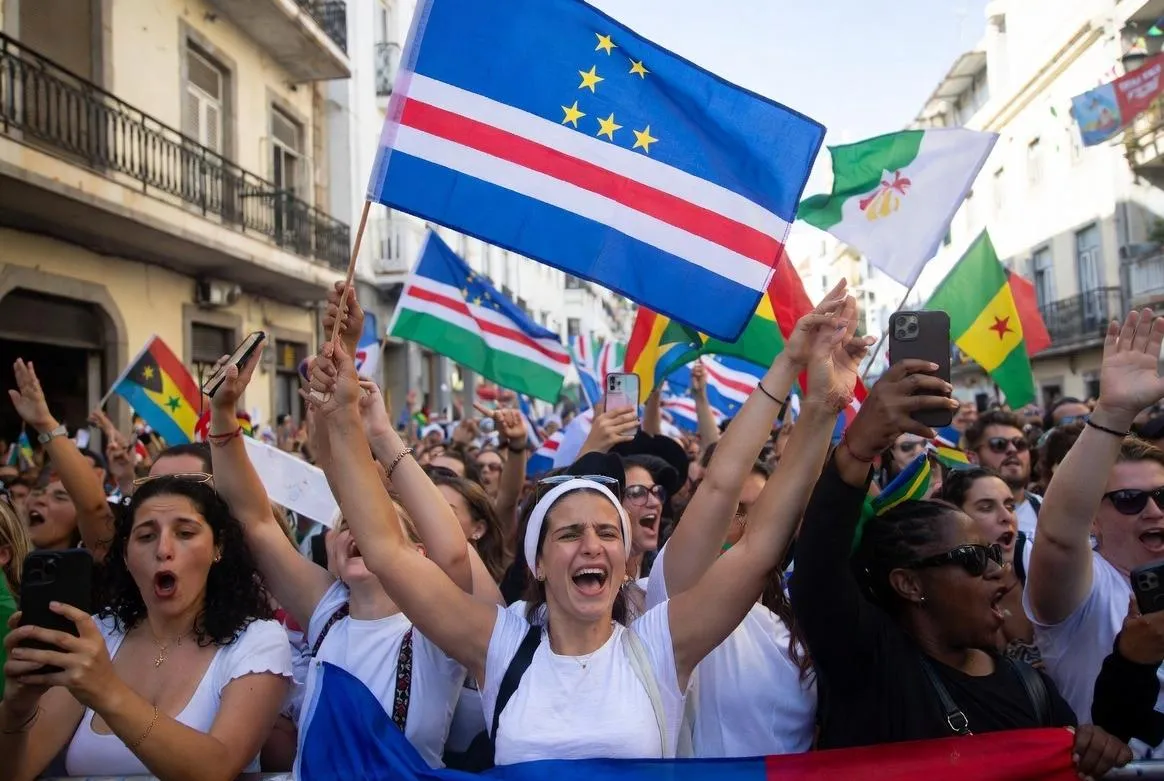
Cape Verde's remarkable 0–0 draw against Spain in their FIFA World Cup 2026 Group H opener in Atlanta sent the island nation viral — and, within hours, ignited a cultural row that had nothing to do with football. A viral post by a Nigerian influencer referred to Cape Verdean women as the "Latinas of Africa," a phrase that quickly spread across social media and triggered backlash from Cape Verdeans and other African users.
Many respondents argued that the label was inaccurate and culturally reductive, insisting that Cape Verde's identity is distinctly African despite its Portuguese colonial history and diverse Atlantic influences. Over time, Cape Verde became a major centre of the transatlantic slave trade, creating a population shaped by both African ancestry and Portuguese colonial influence. Today, the nation is Portuguese-speaking and known for its rich Creole culture, but it remains firmly rooted in Africa geographically, politically and historically.
The post that lit the fuse was framed as celebration — a compliment about beauty and exoticism. That is precisely the problem that Cape Verdean respondents named directly. Critics of the viral label argued that terms such as "Latinas of Africa" can unintentionally suggest that certain African populations are somehow separate from, or less connected to, the continent because of lighter skin tones, European influences or colonial histories — a sensitivity especially pronounced in countries shaped by centuries of migration, enslavement and cultural blending. Some users also criticised what they described as a tendency on social media to assign African countries foreign cultural labels for engagement, warning that such comparisons can erase local identity and reinforce stereotypes.
The debate arrived at a structurally significant moment. Liberian President Joseph Boakai's five-point roadmap presented at the Accra reparatory justice conference — just days earlier — included the restitution of stolen cultural artefacts and the development of an African Union-United Nations expert commission to address inequalities rooted in slavery and colonialism. Namibian President Nandi-Ndaitwah highlighted the African Union's recognition of the African diaspora as the continent's sixth region, calling for deeper engagement between Africa and descendants of Africans dispersed across the globe — noting that generations continue to search for ancestral roots, languages, and cultural heritage lost during centuries of forced displacement. The Cape Verdean social-media moment and the Accra summit may occupy different registers, but they ask the same underlying question: who controls the definitions?
While the World Cup sparked the conversation, the debate evolved into something much larger than sports — a discussion about heritage, self-definition and the enduring impact of colonial history on modern perceptions of race and identity.
The "Latinas of Africa" episode is not an isolated moment of clumsy internet enthusiasm; it is a recurring genre. African communities are routinely asked to locate themselves inside comparators drawn from other people's geographies — "the Brazil of Africa," "the France of Africa," "the Paris of West Africa." The operating assumption is that African reference points are insufficient to describe African excellence. Cape Verdean women's collective refusal of that framing — in real time, during a major global sports broadcast — is itself a cultural act. MonoKromatik's angle: the most consequential identity politics happening right now are not ideological debates in Western newsrooms. They are these micro-confrontations over naming, occurring in the comment sections of a World Cup and the halls of Accra, simultaneously.

